
Germany vs Poland for studying abroad
 Germany
 Poland
Poland is the lower-cost option (€500–€1,000/mo vs €900–€1,800). Germany offers longer post-study work rights (18 vs 9 months). Both are low-risk destinations with scholarship routes for eligible students.
The numbers, side by side
Leader flagged per row. Figures are nationality-neutral.
| Metric | Germany | Poland |
|---|---|---|
| Monthly living cost | €900–€1,800 | €500–€1,000▲ lower |
| Student visa processing | ~30 days | ~30 days |
| Post-study work visa | 18 months▲ longer | 9 months |
| Acceptance rate | Moderately competitive | Broadly accessible |
| Scholarships | Routes exist | Routes exist |
| Safety (risk score) | Safe (10/100)▲ safer | Safe (20/100) |
Where each one leads
What the destination is strong on — not an assumption about you.
Germany leads on
- Longer post-study work window — 18 months.
- Lower risk score — Safe (10/100).
- Academic strengths in engineering, technology, science.
Poland leads on
- Lower monthly cost — €500–€1,000.
- Academic strengths in engineering, science, health.
The honest trade-offs
Visa figures are processing times, not approval rates — neither destination guarantees a visa, so always confirm the current rules on the official source.
Common questions
Is Germany or Poland cheaper for international students?
Poland is generally more affordable — living costs run about €500–€1,000 a month, versus €900–€1,800 in Germany.
Which has better post-study work rights, Germany or Poland?
Germany offers the longer post-study work window — about 18 months, versus 9 months in Poland.
Also worth comparing
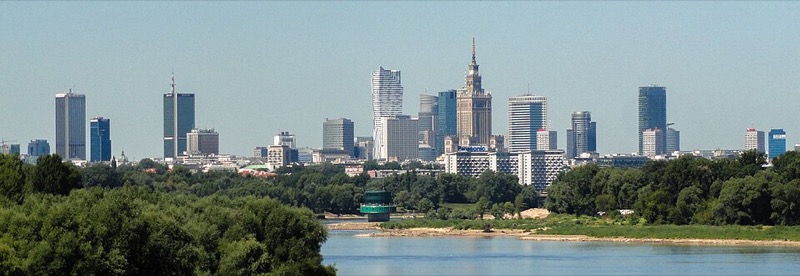
Destination photos: Berlin (Markus Spiske, CC0) · Warsaw (Filip Bramorski, CC BY-SA 2.0)
Study-abroad guidance by email
Leave your email for country shortlists, application deadlines, and practical study-abroad tips. No account needed.
Take Meridian with you
Weigh Germany and Poland against your own budget, field and goals — ATLAS gives personalized matches and live risk scores, free in the app.